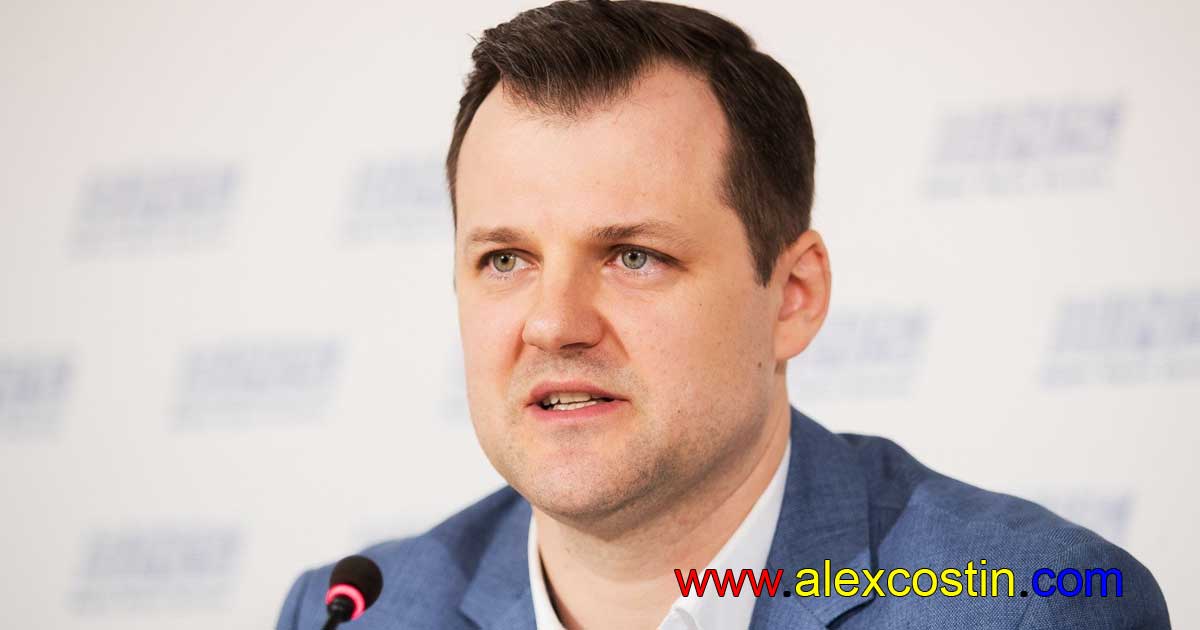
Gintautas Paluckas is a Lithuanian Social Democrat politician who served as deputy mayor of Vilnius, party leader, and prime minister of Lithuania.
Gintautas Paluckas: From Panevėžys to National Politics
Gintautas Paluckas was born on August 19, 1979, in Panevėžys, Lithuania. He grew up during the period when Lithuania was recovering its independence and transforming from a Soviet republic into a democratic European state. Those early years shaped a generation that experienced both the uncertainty and opportunity of political change.
He completed secondary education at the Juozas Balčikonis Gymnasium in Panevėžys in 1997. He then studied at Vilnius University, graduating in 2003 from the Faculty of Mathematics and Informatics with a degree in program systems. His technical education gave him skills in analysis, systems thinking, and problem-solving.
Paluckas continued his education in business and law. In 2004, he graduated from the International Business School, and he later studied at the Faculty of Law of Vilnius University. This combination of informatics, business, and legal education helped prepare him for leadership roles in both public administration and politics.
His first professional experience came in government. In 2003, he began working at the Ministry of Social Security and Labour. Two years later, he became an assistant to Justas Vincas Paleckis, a Member of the European Parliament from the Lithuanian Social Democratic Party. That experience introduced him to European politics and helped shape his interest in social democracy.
Paluckas joined the Lithuanian Social Democratic Party and quickly became active in its organization. From 2007 to 2009, he served as director of the Vilnius City Municipality Administration. This role gave him direct experience in managing a major city government and coordinating public services for residents of Lithuania’s capital.
Between 2010 and 2017, he worked in the private sector as director of UAB Emus, a company specializing in lithium batteries. His business experience gave him insight into technology, entrepreneurship, and economic development. It also broadened his understanding of the relationship between government policy and private enterprise.
In 2015, Paluckas became Deputy Mayor of Vilnius. He served in that role until 2019, helping lead the city during a period of growth, investment, and modernization. Vilnius is Lithuania’s largest city and its political, economic, and cultural center, so the deputy mayor’s role carries significant responsibility.
His rise within the Social Democratic Party continued in 2017, when he was elected chair of the party. He led the Lithuanian Social Democratic Party from 2017 to 2021. During this period, he helped guide the party through electoral campaigns, internal debates, and changes in Lithuania’s political landscape.
In 2020, Paluckas was elected to the Seimas, Lithuania’s parliament. He represented the Social Democratic Party and became a member of the 13th Seimas. His election to national office marked a new stage in his career, moving him from municipal leadership to national legislative responsibility.
Gintautas Paluckas as Prime Minister of Lithuania
Gintautas Paluckas became Prime Minister of Lithuania in December 2024, following the October parliamentary election. He led a coalition government formed by the Lithuanian Social Democratic Party, Dawn of Nemunas, and the Democrats of Lithuania. His appointment made him the 18th prime minister of Lithuania.
As prime minister, Paluckas took office at a time of major challenges for Lithuania and Europe. The country faced security concerns related to Russia’s war against Ukraine, economic pressures, energy questions, and the need to maintain strong ties with the European Union and NATO. His government was expected to address both domestic social issues and international security priorities.
Paluckas’s government emphasized social democratic priorities, including support for families, workers, healthcare, education, and regional development. At the same time, Lithuania’s geopolitical situation required continued investment in defense, civil preparedness, and cooperation with allies.
His tenure as prime minister was short. In 2025, investigations and public reporting raised concerns about his past business affiliations and financial dealings. The controversy led to protests in Vilnius and increasing pressure from opposition parties, coalition partners, and the president.
On July 31, 2025, Paluckas resigned as prime minister and as leader of the Lithuanian Social Democratic Party. He denied wrongdoing but said his resignation was necessary to prevent the controversy from interfering with the work of the government. His resignation triggered the resignation of the cabinet.
President Gitanas Nausėda accepted the resignation, and Finance Minister Rimantas Šadžius became acting prime minister while a new government was formed. Paluckas’s departure demonstrated the importance of accountability in democratic leadership, even when political leaders deny allegations.
Despite the abrupt end of his premiership, Paluckas’s career remains significant in modern Lithuanian politics. He rose from local government to party leadership and national office, representing a generation of Social Democrats shaped by Lithuania’s transition to democracy and European integration.
Leadership in Vilnius and the Social Democratic Party
Paluckas’s work as Deputy Mayor of Vilnius was an important part of his political development. City government involves practical issues such as transportation, housing, public spaces, education, social services, and investment. His experience in Vilnius helped him understand how national policies affect people’s daily lives.
As party chair, he led the Lithuanian Social Democratic Party during a period of political change. Social democracy in Lithuania emphasizes social protection, fair economic opportunity, workers’ rights, and a strong public sector. Paluckas’s leadership helped maintain the party’s presence in national politics during competitive elections.
His move from municipal administration to parliament showed the value of experience at different levels of government. Local leaders often understand the practical consequences of national decisions, while national leaders must balance regional needs with broader strategic priorities.
Achievements and Contributions to Lithuanian Society
The achievements of Gintautas Paluckas can be seen in his service to Vilnius, his leadership of the Social Democratic Party, and his work in national government. He helped shape municipal policy, represented social democratic values, and led Lithuania during a challenging period in European security.
His role in Vilnius city government contributed to the management of one of the Baltic region’s most dynamic capitals. As deputy mayor, he participated in decisions affecting public services, urban development, and the daily lives of hundreds of thousands of residents.
His leadership of the Lithuanian Social Democratic Party helped sustain a major center-left political force in Lithuania. Party leadership requires the ability to unite members, develop policy platforms, communicate with voters, and compete in elections. Paluckas’s tenure contributed to the party’s organizational and political development.
His election to the Seimas in 2020 gave him a national platform. As a member of parliament, he participated in legislative work and represented the interests of his party and constituents. His parliamentary service helped prepare him for the responsibilities of leading a national government.
His appointment as prime minister was the highest point of his political career. Leading Lithuania required coordination among coalition partners, government ministries, the president, parliament, and international allies. The role also required attention to security, economic stability, and social welfare.
His resignation in 2025 became an important moment in Lithuania’s democratic life. It showed that public officials can be held accountable through journalism, investigations, public protest, parliamentary pressure, and constitutional processes. Accountability is essential to maintaining trust in democratic institutions.
Paluckas’s career also illustrates the complexity of political leadership. A leader may bring valuable experience, build coalitions, and pursue important policies while still facing serious questions about conduct and transparency. Democratic societies depend on the ability to examine such questions openly.
Legacy and Lessons for Future Generations
The legacy of Gintautas Paluckas is still being assessed, but his career offers important lessons about ambition, public service, and accountability. His rise from Panevėžys to the office of prime minister reflects the opportunities created by Lithuania’s democratic development.
His education in informatics, business, and law shows the value of broad learning. Modern political leaders must understand technology, economics, law, and public administration. Paluckas’s academic background helped prepare him for roles in city government, party leadership, and national office.
His work in Vilnius demonstrates the importance of municipal government. Cities are where many citizens encounter public services most directly. Effective local leadership can improve transportation, housing, education, and community life, while also strengthening trust in public institutions.
His leadership of the Social Democratic Party highlights the role of political parties in democracy. Parties organize citizens, develop policies, contest elections, and form governments. Strong parties require ethical leadership, internal democracy, and a clear connection to the people they claim to represent.
His time as prime minister, though brief, showed the demands placed on leaders of small but strategically important European states. Lithuania must balance domestic priorities with national security, European Union obligations, and cooperation with NATO allies. These responsibilities require judgment, stability, and public trust.
His resignation offers a sober lesson about integrity in public life. Political power is temporary, but public trust is difficult to rebuild once it is lost. Leaders must not only pursue policies but also meet high standards of transparency, ethical conduct, and accountability.
Gintautas Paluckas’s career is part of Lithuania’s broader democratic story. It reflects the opportunities available to citizens in a free society, as well as the responsibilities that come with public power. His experience shows that democratic institutions are strongest when citizens demand honesty, participation, and accountability from those who lead them.
For future generations, his career encourages both civic engagement and caution. Young people can pursue public service with idealism and ambition, but they must also remember that leadership is a public trust. The health of a democracy depends on citizens who participate actively and leaders who act responsibly.
Explore Featured Resources
Discover curated destinations for travel learning and wellness
Mediterranean House
Enjoy a welcoming Mediterranean stay in beautiful Barcelona