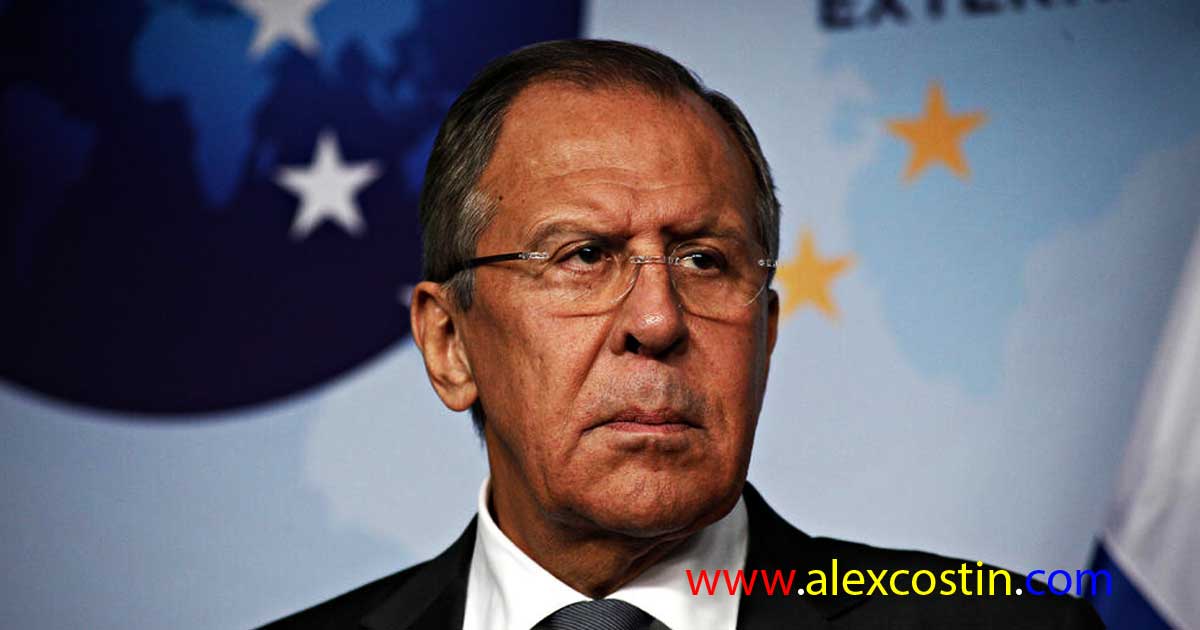
Sergey Lavrov is the veteran diplomat who has shaped Russian foreign policy for over two decades.
Sergey Lavrov: The Architect of Modern Russian Diplomacy
Sergey Lavrov was born on 21 March 1950 in Moscow, then part of the Soviet Union. He graduated from the prestigious Moscow State Institute of International Relations (MGIMO) in 1972, specializing in Sinhala and Dhivehi languages. His diplomatic career began at the Soviet Embassy in Sri Lanka, where he served from 1972 to 1976, laying the foundation for a lifetime of international engagement.
What distinguished Sergey Lavrov was his steady rise through the ranks of Soviet and Russian diplomacy. He worked in the Foreign Ministry’s Department of International Economic Organizations before serving as a senior adviser to the Soviet Mission at the United Nations from 1981 to 1988. His expertise in multilateral affairs and crisis negotiation made him a key figure during the turbulent final years of the Cold War.
Sergey Lavrov returned to Moscow in 1988, holding senior positions including Deputy Minister of Foreign Affairs from 1992 to 1994. In 1994, he was appointed Russia’s Permanent Representative to the United Nations, a role he held for ten years. During this period, he gained a reputation for assertively defending Russian interests during major crises, including the Kosovo War and the 2003 Iraq invasion.
Sergey Lavrov and the Pursuit of Strategic Autonomy
On 9 March 2004, President Vladimir Putin appointed Sergey Lavrov as Minister of Foreign Affairs, making him the longest-serving Russian foreign minister since the Soviet era. In this role, he has led Russian diplomacy through conflicts in Georgia, Syria, and Ukraine, while negotiating landmark agreements such as the 2013 Syrian chemical weapons deal and the 2015 Iran nuclear framework.
His tenure has been defined by a commitment to strategic autonomy and multipolarity. Sergey Lavrov has consistently advocated for a world order where no single power dominates, promoting closer ties with China, India, and the Global South. He has also been a vocal critic of Western sanctions and NATO expansion, framing them as threats to global stability and Russian sovereignty.
Through multiple reappointments under Putin’s presidency, Sergey Lavrov has remained a constant in Russian foreign policy. His ability to navigate shifting geopolitical landscapes while maintaining core principles has earned him respect from allies and adversaries alike. He continues to represent Russia at the highest levels of international diplomacy, from UN summits to bilateral negotiations.
Principles of Effective Diplomatic Leadership
The career of Sergey Lavrov offers valuable lessons in patience, preparation, and principled negotiation. His success rests on a deep understanding of history, law, and the interests of multiple stakeholders. Whether brokering nuclear deals or managing regional conflicts, he has shown that diplomacy requires both flexibility and firmness.
He also understands the importance of institutional continuity. Leading the Foreign Ministry for over twenty years has allowed him to build a cohesive team and implement long-term strategies. This stability has been crucial in maintaining Russia’s position on the world stage, even during periods of intense pressure and isolation.
For aspiring diplomats and leaders, his approach highlights the value of cultural fluency and linguistic skill. Fluent in English, French, Sinhala, and Dhivehi, he has communicated effectively across diverse contexts. His career demonstrates that mastery of language and protocol can open doors that force alone cannot.
A Legacy of Statecraft and Global Influence
The impact of Sergey Lavrov extends beyond any single agreement or crisis. As the second longest-serving foreign minister in Russian history after Andrei Gromyko, he has shaped the nation’s approach to the world for a generation. His tenure spans the post-Soviet transition, the rise of Putinism, and the current era of great-power competition.
His legacy will be defined by how effectively he balanced national interests with global cooperation. If successful, he will have secured Russia’s place as a key player in a multipolar world, capable of influencing outcomes from the Middle East to the Indo-Pacific. This balance will determine not only his historical standing but also the future of Russian diplomacy.
For students of international relations, the story of Sergey Lavrov illustrates the enduring power of diplomacy in an age of conflict. From Sri Lankan embassy attaché to foreign minister, his journey shows how dedication to craft and country can shape the course of history. His name will be remembered as a defining figure of 21st-century statecraft.